What Replacing Windows Involves Here
A window replacement takes out the old sash, or the whole frame, sets a new factory-made unit, seals it against air and water and finishes the trim. In the Knoxville area three local factors shape the job: a climate that needs both heating and cooling, Tennessee's contractor licensing rules, and, in some neighborhoods, historic design review.
Most calls start with one of a handful of complaints: drafts in January, rooms that overheat on summer afternoons, fog between the panes, sashes that will not stay up, or soft wood at the sill after years of rain. Each points to a different fix, which is why a measure and a written quote should come before choosing a product.
Frames for a Wet, Humid Climate
Knoxville averages just under 52 inches of precipitation a year, and summers are humid. Frame choice is mostly about how well the window handles that moisture and how much upkeep you want. National installed ranges per window from Fixr:
| Frame | Installed, per window | Notes |
|---|---|---|
| Vinyl | $350–$800 | No paint, no rot; the usual choice for brick ranches and subdivisions |
| Fiberglass | $400–$1,500 | Stiff and stable; handles dark colors and slim profiles |
| Wood | $600–$2,000 | Matches older homes; exterior needs paint or cladding |
| Composite | $300–$2,500 | Wood-fiber blends such as Fibrex; varies by maker |
| Aluminum | $200–$800 | Slim and cheap, but the frame conducts heat |
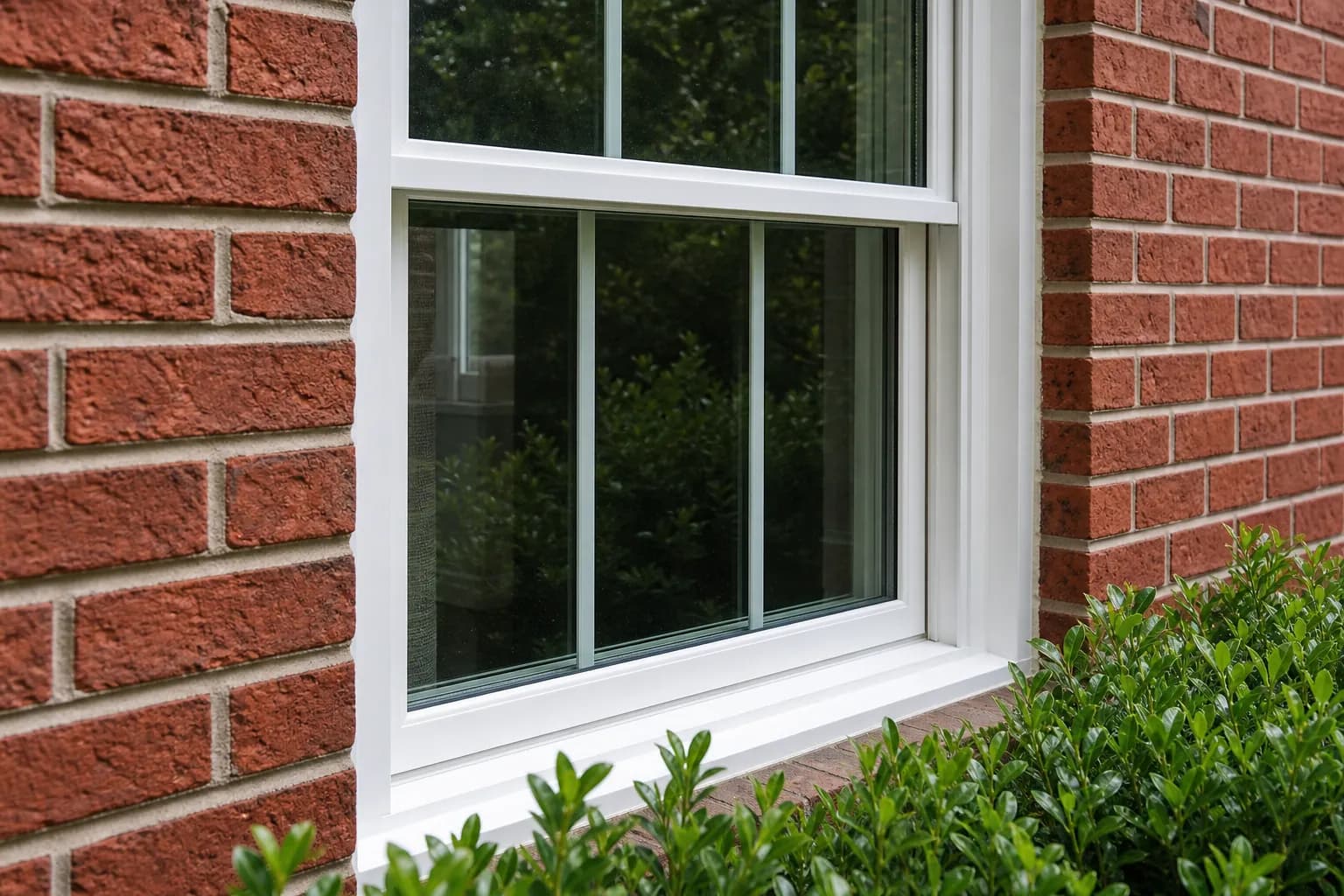
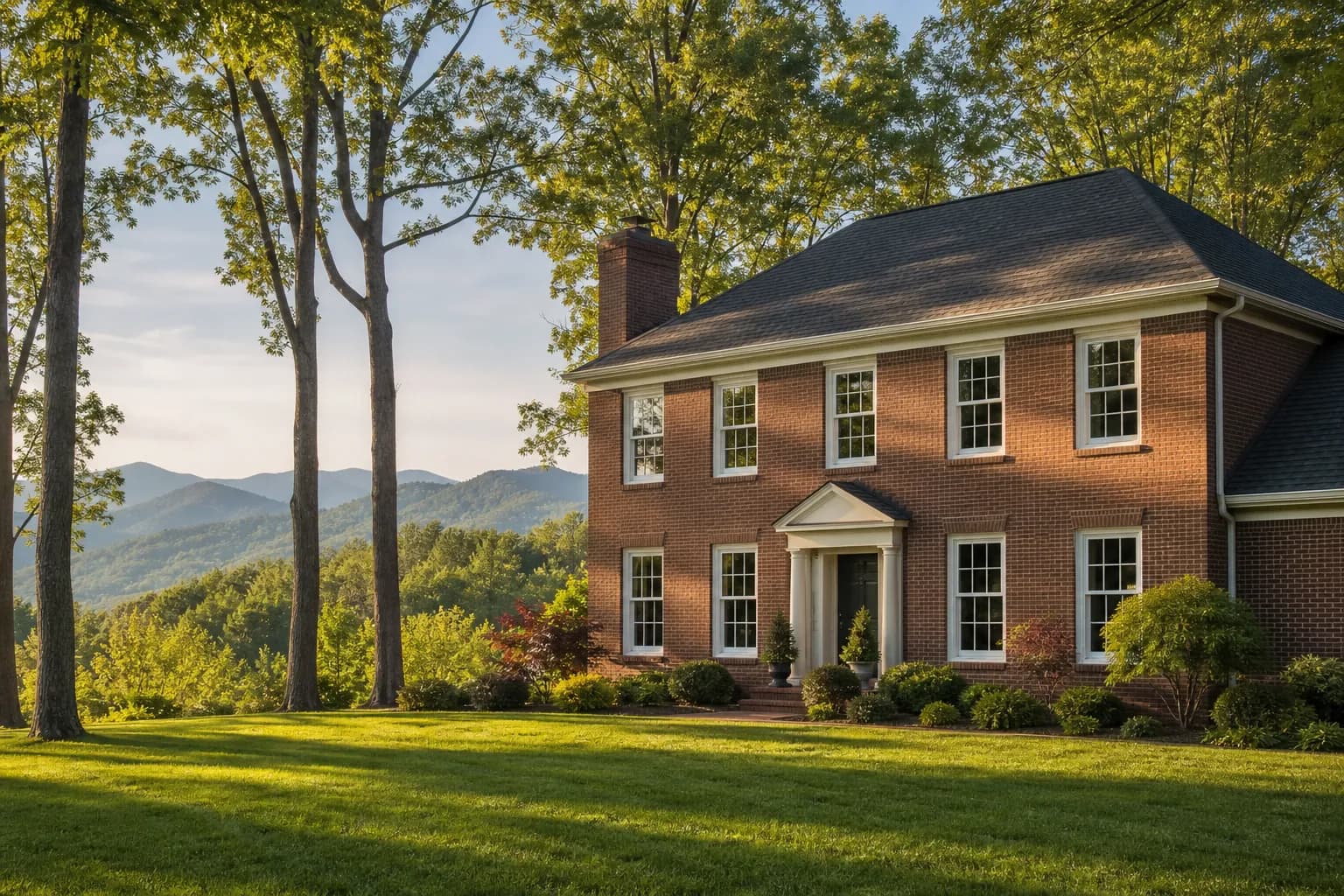
For most brick ranches and subdivision homes around Knoxville, vinyl replacement windows are the practical default. Wood or clad-wood makes sense on older houses where the look matters, and fiberglass when you want a thin black frame.
Glass Ratings for Climate Zone 4A
Knox County sits in IECC climate zone 4A, called mixed-humid. July averages about 78°F day and night with roughly 36 days at 90°F or more; January averages about 38°F. A window here has to hold heat in through the winter and keep sun out in summer. Two numbers on the NFRC label tell you how well it does both:
- U-factor (heat loss). The 2018 International Residential Code, which the City of Knoxville references, sets 0.32 or lower for zone 4.
- SHGC (solar heat gain). The same table allows 0.40 or lower.
- ENERGY STAR v7 goes further: U-0.25 in its North-Central zone, or U-0.28 with SHGC 0.23 in South-Central. Look up your county on the ENERGY STAR map.
Dual-pane glass with a low-e coating and argon fill is how most products meet these numbers. Which coating suits which wall is covered in the energy-efficient windows guide.
Tennessee Licensing: Check Before You Sign
Tennessee licenses contractors through the Board for Licensing Contractors, and the rules depend on the job size and the county:
- $25,000 or more: a state contractor license is required anywhere in Tennessee.
- $3,000 to $24,999 in Knox County: a Home Improvement license is required. The same rule covers Davidson, Hamilton, Shelby and a few other counties, but not Blount, Sevier, Loudon, Anderson or Jefferson.
- Bond and insurance: Home Improvement licensees post a $10,000 bond and carry liability and workers' comp coverage.
Look up any contractor's license with the Tennessee Department of Commerce and Insurance before you sign. If you sign at home, the FTC Cooling-Off Rule generally gives you three business days to cancel.
Permits and Historic Districts
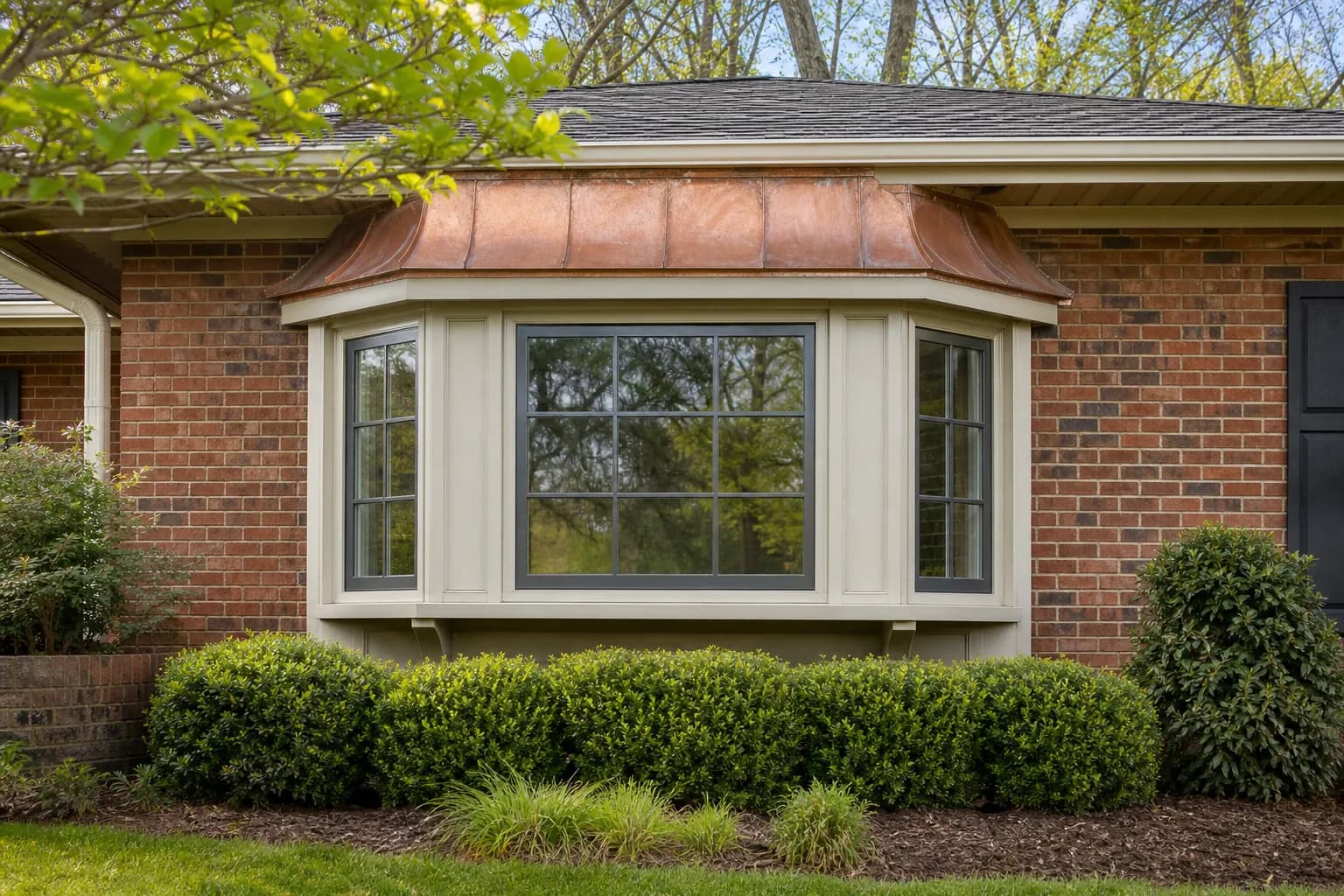
Inside city limits, the City of Knoxville's Plans Review and Inspections office handles permits; unincorporated areas such as Powell, Halls and Karns go to Knox County Codes Administration; incorporated towns such as Farragut run their own codes offices. Enlarging an opening, cutting a new one or adding a projecting bay needs a permit. For same-size swaps, confirm with the office first; the city says most projects should be reviewed to confirm any exemption.
Knoxville's historic overlays add a step. In the H-1 districts (Mechanicsville, Old North Knoxville, Fourth and Gill, Edgewood-Park City and Market Square), a Certificate of Appropriateness from the Historic Zoning Commission is required before a permit for exterior work, and the guidelines favor repairing original wood windows. Neighborhood Conservation overlays such as Fort Sanders and Tazewell Pike have their own guidelines.